
Guides
Waxed, greaseproof, and baking paper: differences and uses
A practical guide to choosing waxed, greaseproof, or baking paper based on moisture, grease, temperature, and food contact.
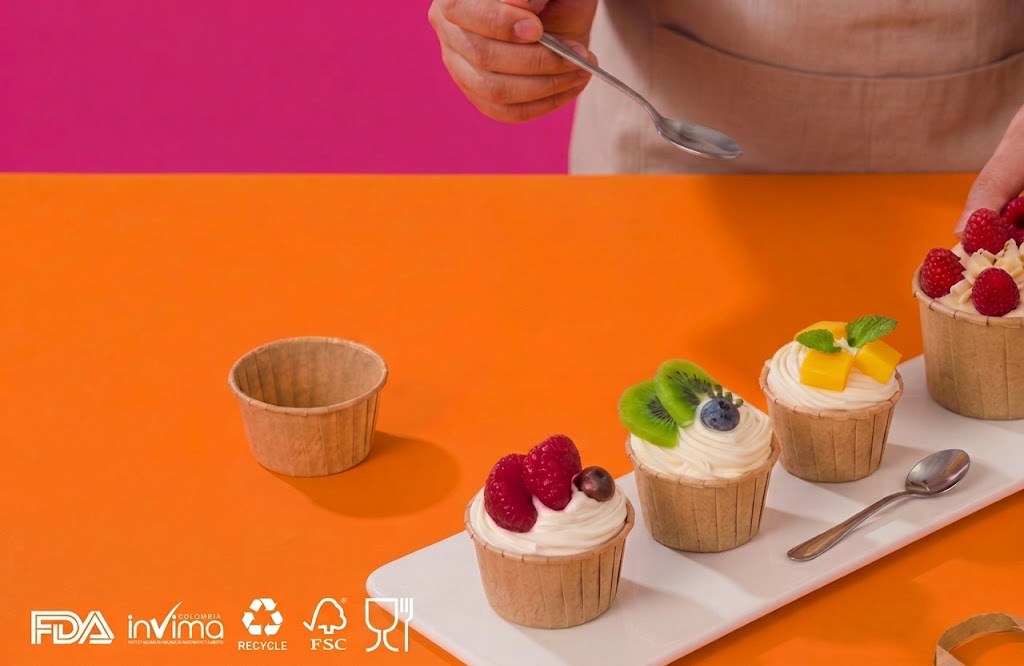
Waxed paper
Its coating helps control moisture and grease transfer. It is used to wrap or separate foods under conditions compatible with its technical data; not every waxed paper should be assumed oven-safe.
Greaseproof paper
It is designed to limit oil migration and maintain a clean presentation. It suits fatty foods, separators, and wraps, with resistance defined for each product.
Baking paper
It is designed to work at elevated temperatures and make handling or release easier. Maximum temperature and exposure time should be confirmed in the technical specification.
- Define direct or indirect food contact.
- Identify process moisture, grease, and temperature.
- Validate exposure time and storage conditions.
- Request conformity documents for the application.
The right choice starts with the process
There is no universal paper for every food. Sharing the recipe, process, expected shelf life, and distribution method makes a more precise solution possible.
Frequently asked questions
What is the difference between waxed and baking paper?
Waxed paper prioritizes a barrier against moisture and grease; baking paper prioritizes heat resistance and release.
What makes paper food-grade?
It must be manufactured and evaluated for its intended contact, meet applicable requirements, and be used within its technical conditions.
Need help choosing the right material?
Tell us about your food, process, and presentation. Our team will help evaluate a solution.
Request a quote